🚲 Bicycle Insurance: Policy Checklist
- Best For: Owners of commuter, cargo, road, and high-value electric bicycles
- Key Limitation: Homeowners/renters insurance has low limits and excludes e-bikes
- Essential Cover: Full replacement value theft, collision damage, and cycling liability
- Important Tip: Always secure your bicycle with a certified Gold or Diamond Sold Secure lock.
Bicycles are no longer just weekend toys; for millions of commuters, e-bike riders, and families, they are essential modes of transportation. With premium commuter bikes and electric bicycles easily costing several thousand dollars, protecting these investments is a priority. Unfortunately, many riders incorrectly assume that their homeowners or renters insurance will fully cover their bikes in the event of theft or a crash. In reality, standard property insurance leaves massive coverage gaps. This guide explains how specialty bicycle insurance works and why it is vital for active riders.
1. The Gaps in Renters and Homeowners Insurance
While homeowners and renters policies do provide some coverage for personal property, they are not designed for modern active cycling needs. Here are the primary limitations you will encounter:
- Strict Sublimits: Most standard property policies cap bicycle coverage at a set sublimit—typically between $1,000 and $1,500. If your $4,000 carbon road bike or e-bike is stolen, your insurer will only pay up to the sublimit, leaving you out of pocket for the remainder.
- High Deductibles: Deductibles on property policies are often $500, $1,000, or even higher. If your $1,200 bike is stolen, and your deductible is $1,000, you will only receive a meager $200 from your insurance company.
- Off-Premises Exclusions: Some policies exclude or reduce payouts for property stolen away from your home, such as from a bike rack at your office, locked outside a grocery store, or during transport on a vehicle.
- Accidental Damage Exclusion: Standard property insurance covers theft and fire, but it will not pay to replace your frame if you crash during a ride, strike a pothole, or drop your bike from a car rack on the highway.
- E-Bike Motor Exclusions: Many standard policies exclude any motorized land vehicles from property coverage. Since electric bikes have motors, they are frequently excluded entirely, regardless of the wattage or speed.
Some policyholders try to bypass sublimits by purchasing a "Scheduled Personal Property" endorsement on their homeowners policy. While scheduling a bike removes the deductible and covers accidental damage, it also increases your monthly premium and still does not address the liability exclusions that apply to motorized e-bikes or commercial use cases.
Additionally, home insurance claims can have long-term consequences. Filing a claim for a stolen $2,000 bicycle under your homeowners policy can result in premium hikes or policy cancellation at renewal time. A specialty bicycle policy keeps your bicycle claims completely separate from your home insurance history, protecting your primary property premiums.
2. What Specialty Bicycle Insurance Covers
Specialty bicycle insurance is a dedicated policy designed specifically to address the risks faced by cyclists. A comprehensive policy typically includes three core components:
Theft and Vandalism Coverage
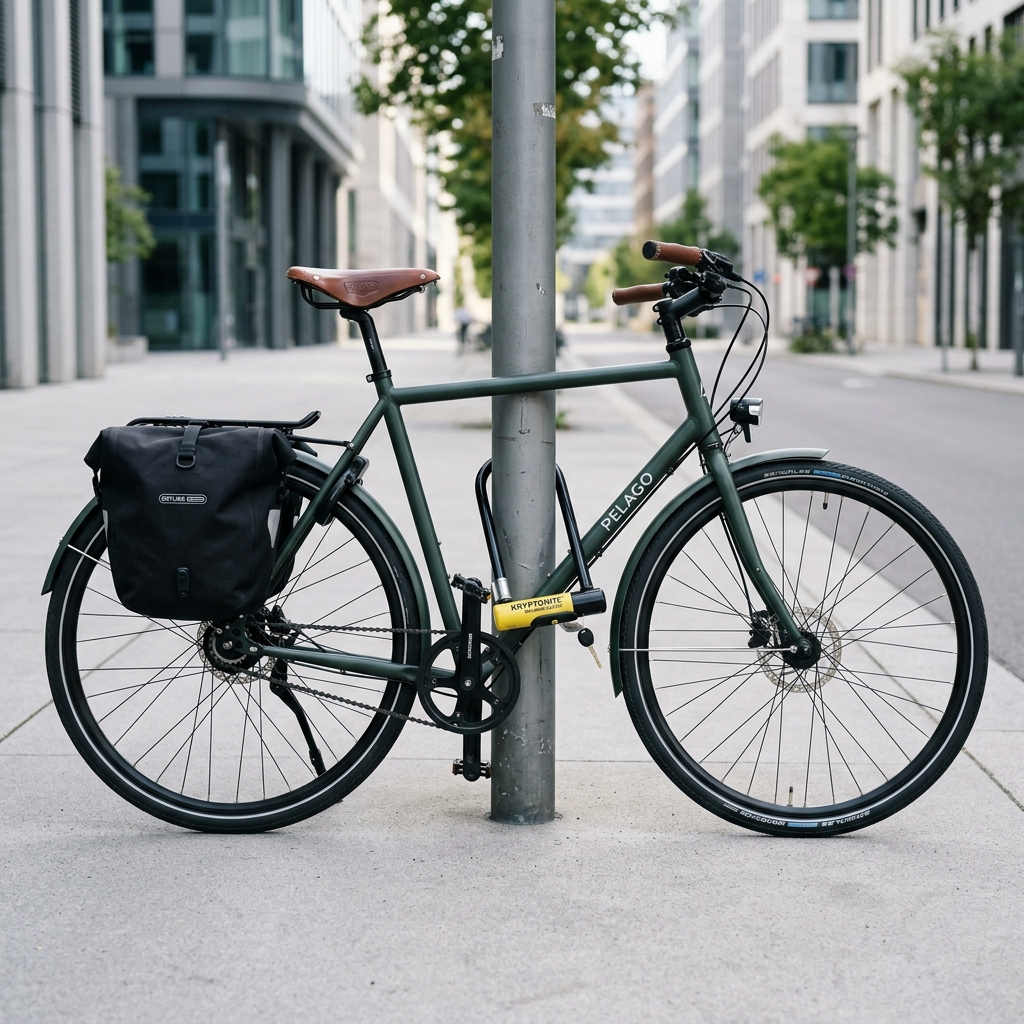
This covers your bicycle if it is stolen from your home, a vehicle, or while locked in public. Payouts are based on the replacement cost of the bike, not depreciated value, and deductibles are generally low (often $50 to $100). The coverage applies worldwide, protecting your ride during transit and holidays.
Accidental and Crash Damage
If you crash, hit a pothole, or drop your bike during transport, specialty insurance will cover the cost of repairs or frame replacement. This includes coverage for carbon fiber scanning (to check for hidden structural delamination) and wheels. Many policies also include cover for custom components like GPS computers and power meters.
Personal Cycling Liability & Property Damage
If you strike a pedestrian, damage a parked car's mirror, or cause a collision with other cyclists, you could be held civilly liable for medical bills and property damage. Specialty bicycle liability limits protect your personal assets from lawsuits and pay for legal defense costs from the ground up, filling a major safety gap.
3. Accident Medical Coverage vs. Primary Health Insurance
One of the least understood benefits of specialty bicycle insurance is its medical payments (MedPay) or accident medical rider. While your primary health insurance covers hospital visits after a crash, you are still responsible for high deductibles, co-pays, and out-of-pocket maximums. A bicycle policy's MedPay coverage operates as a secondary or primary payor, specifically stepping in to cover these out-of-pocket medical costs—such as ambulance fees, dental work from dental trauma, and emergency room co-pays—without requiring a determination of fault. This ensures that a minor crash does not result in thousands of dollars in medical debt.
4. Agreed Value vs. Actual Cash Value
When choosing a bicycle policy, pay close attention to how claims are valued:
- Agreed Value: You and the insurer agree on the replacement value of the bike (usually based on your purchase receipt). In a total loss, you receive the full agreed amount without depreciation. This is highly recommended for premium components and custom builds.
- Actual Cash Value (ACV): The insurer factors in depreciation based on the age and wear of the bike. Payouts are often much lower than the actual cost of purchasing a new equivalent model in today's market.
Additionally, ask your insurer about "salvage rights." If your carbon frame is declared totaled due to a minor crash but the expensive wheelset, electronic shifters, and saddle are undamaged, salvage rights dictate whether you can keep the remains to salvage parts or if the insurer claims ownership of the wrecked bike after paying out the claim. Many specialty insurers allow you to buy back the salvage at a low cost, which is a significant advantage for hobbyists and racers.
5. The Mechanics of a Bike Theft Claim: Real Scenarios
To understand the value of specialty coverage, look at two contrasting claim scenarios:
- Scenario A: A commuter locks their $3,500 electric bike to a public rack outside their office using an approved Sold Secure Gold U-lock. A thief uses an angle grinder to cut the rack and steals the bike. Under a specialty policy, the owner files a police report, submits a photo of the cut rack, and receives a full replacement check for $3,500 minus a $100 deductible.
- Scenario B: A cyclist leaves their $4,000 road bike unlocked on a vehicle roof rack while dining inside a restaurant. The bike is stolen. In this case, the claim is denied under the policy's "unsecured property" exclusion. Specialty insurers require the bike to be locked to a secure object when left unattended, highlighting the necessity of understanding policy rules.
6. Step-by-Step Guide to Filing a Bike Claim
To ensure a swift claim payout, you must establish a clear paper trail. If your bike is stolen or damaged, follow these steps immediately:
- File a Police Report: Most insurers will not process a theft claim without a police report filed within 24 hours of the incident. Ensure the officer records the bike's serial number.
- Document the Scene: For crash damage, take high-resolution photos of the road condition, the vehicle involved (if any), and the damage to your bike components.
- Submit Lock Proof: If stolen in public, take photos of the cut lock or the empty rack. Insurers may request the keys of the lock to verify it was in use.
- Obtain a Shop Estimate: Take your damaged bike to an authorized dealer for a comprehensive inspection and written repair estimate. Ask them to verify frame alignment.
Frequently Asked Questions
Does bicycle insurance cover my bike while racing?
Some specialty policies cover racing, training, and event participation, but others exclude competitive events. If you ride in local crits, triathlons, or gravel races, make sure to read the policy exclusions or add a specific competitive event rider to your coverage. Standard homeowners policies will never cover racing damage.
Can I get coverage for transit and travel?
Yes. Many bicycle policies offer worldwide transit coverage, protecting your bike from baggage handlers or shipping damage when you travel to events or tours abroad. This is invaluable if you ship your bike via services like BikeFlights or fly with a dedicated bike case.