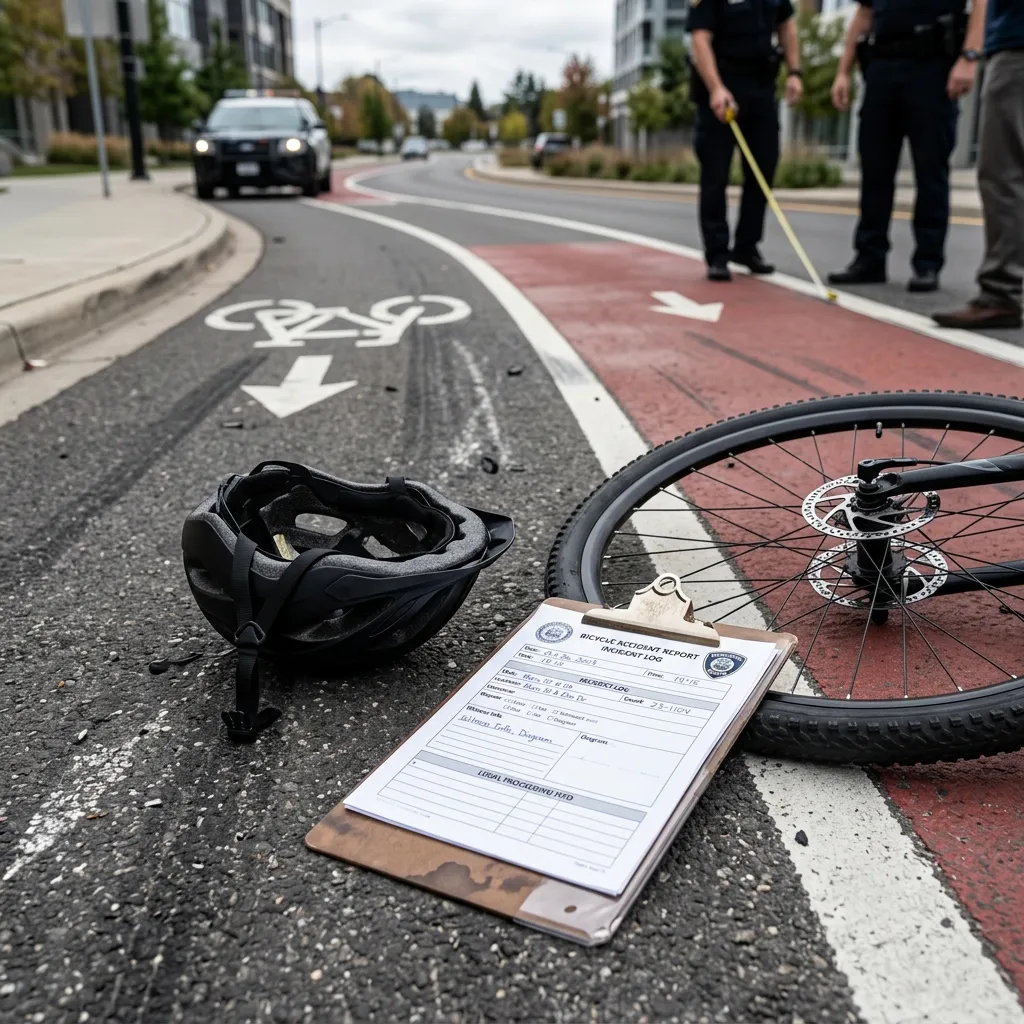
📋 Post-Collision Action Plan
- Immediate Action: Check for injuries, call 911, and wait for the police
- Critical Rule: Never apologize, admit fault, or negotiate cash with the driver
- Evidence Preservation: Do not wash the bike, throw away damaged gear, or clear GPS data
- Legal Warning: Consult a cycling attorney before speaking to the driver's insurance adjuster.
A collision with a motor vehicle is a terrifying experience. In the minutes following a crash, adrenaline runs high, masking pain and making it difficult to think clearly. However, the steps you take at the accident scene and in the 24 hours that follow will heavily dictate your physical recovery and the success of your insurance claims. This step-by-step checklist outlines the essential legal and insurance procedures you must follow after a bicycle accident.
1. Prioritize Safety and Emergency Services
Your immediate priority is safety. Move out of the flow of traffic to the shoulder or sidewalk if your injuries allow. Do not attempt to move if you feel neck, back, or joint pain. Call 911 immediately and request that a police officer and an ambulance be dispatched to the scene.
Even if the driver seems cooperative, **do not let them leave without calling the police**. In many jurisdictions, a formal police report is required for any collision involving injury or property damage. The police report is the most critical piece of independent evidence for establishing liability with insurance adjusters. If the officer refuses to write a report because it occurred on private property or due to lack of witnesses, write down the officer's badge number and file an over-the-counter report at the precinct within 24 hours.
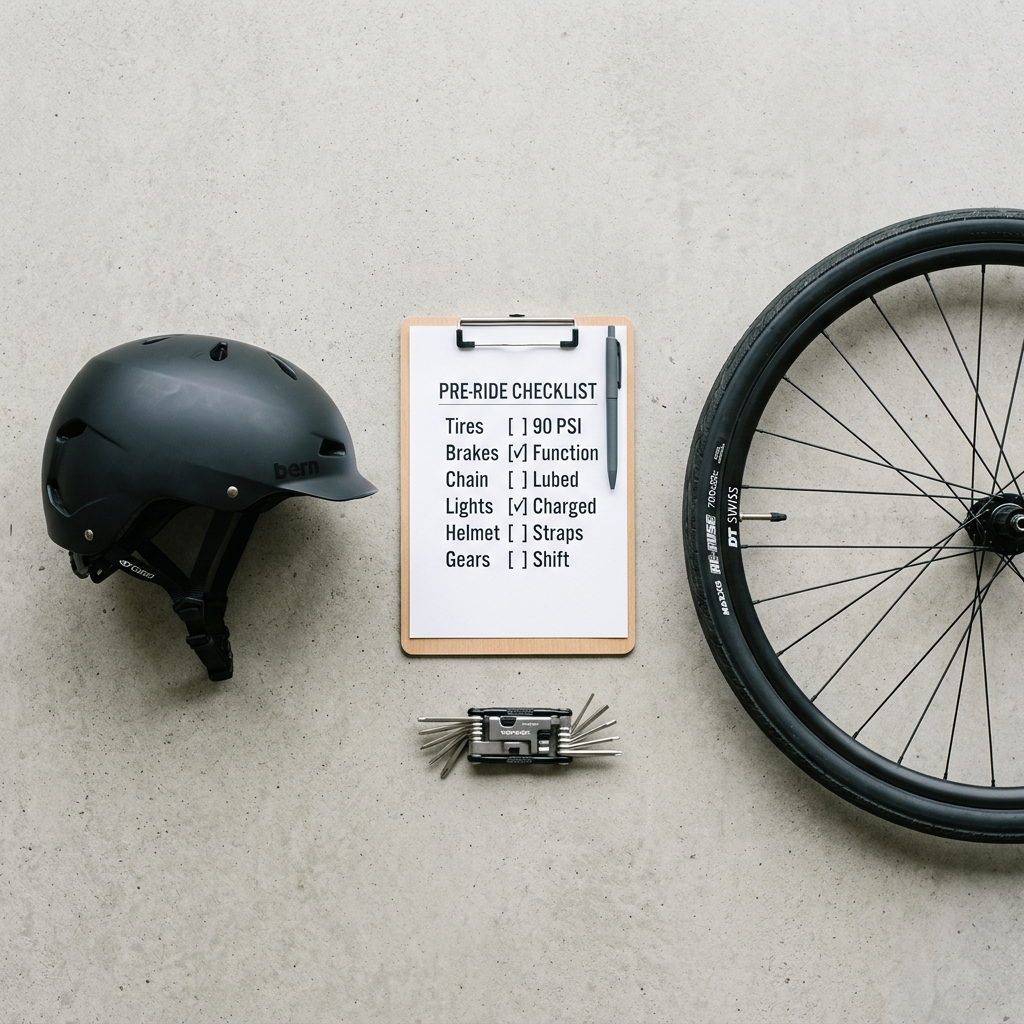
2. Collect Evidence at the Scene
While waiting for the police, gather as much information as possible. If you are too injured to do so, ask a witness or bystander to assist you. Use your smartphone to document:
- Driver Information: Full name, phone number, driver's license number, and insurance card details (company name and policy number).
- Vehicle Information: License plate number, make, model, color, and any visible damage on the car body or windshield.
- Photos & Videos: Take wide shots of the intersection, the positions of the car and bicycle, skid marks, traffic signals, obstruction of views, and your physical injuries.
- Witness Contacts: Get names and phone numbers of any witnesses who saw the collision. Their testimony is vital if the driver changes their story later.
"Be polite but guarded. Never apologize or say 'I'm sorry.' A simple apology can be recorded by the driver or police officer and used by the auto insurance company to argue that you admitted fault for the collision."
3. Seek Immediate Medical Attention & Track Symptoms
Always allow paramedics to evaluate you at the scene, and visit an emergency room or urgent care clinic immediately. Adrenaline frequently masks serious internal injuries, hairline fractures, or concussions. Seeking immediate care protects your health and creates a direct, official medical record linking your injuries to the crash, preventing the driver's insurer from claiming your injuries were pre-existing.
In the weeks following the crash, keep a daily journal of your physical pain, cognitive symptoms (headaches, light sensitivity, memory gaps), and missed work days. This log serves as critical evidence if your injury claim goes to mediation or trial.
Additionally, monitor yourself for signs of emotional trauma. Post-traumatic stress disorder (PTSD), sleep disruptions, and severe driving anxiety are common among cyclists who have been hit by cars. Documenting these struggles is necessary when seeking compensation for non-economic damages, commonly referred to as "pain and suffering."
4. Preserve Physical and Digital Evidence (Chain of Custody)
Once you return home, preserve all physical items from the crash. Do not clean or repair anything:
- Do Not Wash the Bike: Keep the bicycle in its damaged state. Do not attempt to ride it or true the wheels. It serves as primary physical proof of the point of impact. Storing it in a dry garage without wiping away tire scuffs or paint transfer preserves critical forensic indicators.
- Save Your Gear: Keep your cracked helmet, torn apparel, scuffed shoes, and broken accessories. Do not throw them away. Pack them in a clean plastic bag.
- Preserve GPS Data: Save the ride data from your bike computer (Garmin, Wahoo) or Strava. The GPS coordinates, speed metrics, and sensor data can prove your speed, travel lane, and braking efforts leading up to the collision. Make sure to export this data immediately to prevent it from being overwritten. Heart rate and power data can also indicate your level of exertion and the exact millisecond of impact.
Additionally, have a professional bike shop inspect your bike. Even if a carbon fiber frame appears fine on the surface, it could have internal micro-cracks that compromise its structural integrity, making it dangerous to ride. Ask the shop for a written estimate of repairs or a replacement value quote.
5. Check for Security and Dashcam Footage
Look around the crash location for any security cameras on nearby commercial stores, traffic poles, or residential doorbells. If any drivers stopped to help, ask if they have active dashcam footage. Video evidence is the ultimate defense against a driver claiming you ran a stop sign or veered into their lane. Storefront owners are often willing to download and share footage if requested within 48 hours, before their systems auto-overwrite the files.
6. The Danger of Early Settlement Offers
Auto insurance adjusters are trained to close claims as quickly and cheaply as possible. Within days of a crash, you may receive a call offering a quick payout of $500 or $1,000 in exchange for signing a liability release waiver. **Do not sign this waiver.** Many soft-tissue injuries, disc herniations, and internal joint damage do not manifest fully for weeks. Once you sign a release, you can never seek additional funds for medical bills or bike replacement, even if you require major surgery later.
7. Understanding the Statute of Limitations
Do not delay your claims. Every state has a strict statute of limitations—the legal deadline to file a personal injury lawsuit. This ranges from 1 year (in states like Kentucky) to 3 or 4 years in other states. If you miss this window, you forfeit your right to seek compensation forever. Consult a cycling-specific attorney early to ensure your deadlines are tracked.
Frequently Asked Questions
Should I speak to the driver's insurance adjuster?
No. The driver's insurance company is looking for ways to minimize their payout. They may call you shortly after the crash requesting a recorded statement. Politely refuse and state that you will have your attorney or insurance representative contact them. Never sign any settlement offers or medical release forms without legal counsel.
What if the driver fled the scene (hit-and-run)?
If you are the victim of a hit-and-run, the police will investigate. You can file a claim under your own auto policy's Uninsured Motorist (UM) coverage, which pays for medical expenses and bike damage in a hit-and-run scenario.