📦 Commuter & Cargo Bike Protection
- Item Value: Cargo e-bikes frequently cost $3,000 to $8,000
- Target Assets: High-capacity batteries, mid-drive motors, and passenger accessories
- Securing Policy: Strict adherence to lock rating warranties (Sold Secure Gold/Diamond)
- Usage Limits: Standard policies exclude delivery or commercial courier tasks.
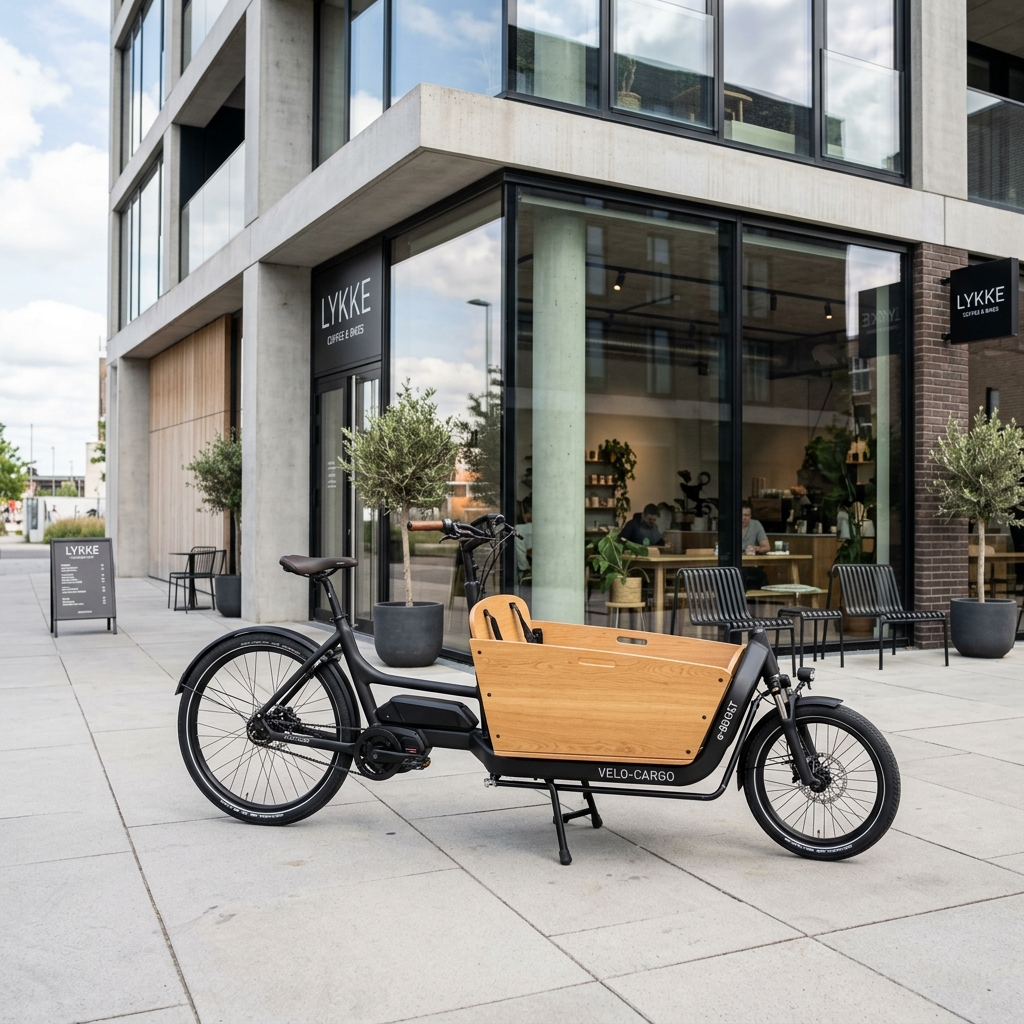
Cargo bikes and premium commuter bicycles are changing urban mobility. For many families, these high-utility bikes replace a second car (or even a primary car), carrying kids to school, hauling groceries, and completing daily commutes. Because of their utility and high price tags—frequently between $3,000 and $8,000—they are prime targets for organized bike thieves. Securing the right insurance and understanding lock warranties is essential to keeping your cargo setup protected.
1. The High Risk of Commuter and Cargo Bikes
Cargo bikes are particularly vulnerable because they are often parked in public spaces for extended periods during commutes or shopping trips. Furthermore, they carry expensive electrical components, such as dual-battery systems and mid-drive motors, which can easily be stripped by thieves. Traditional homeowners insurance policies rarely cover these vehicles because of motor exclusions or sublimit caps, making a dedicated policy essential.
Additionally, because cargo bikes are heavier and carry more weight (often up to 400 lbs including passengers), any collision can result in significantly higher property damage or bodily injury to others. This makes the liability portion of a specialty bicycle insurance policy just as important as the theft coverage.
A secondary issue is component theft. A thief may not steal the entire cargo bike, but instead strip the $900 battery, the $200 digital display, or the custom child passenger seats. Specialty policies offer individual component theft coverage with low deductibles, which prevents a minor theft from becoming a major financial burden.
2. The Physics of Cargo Accidents: Heavy Loads and Stop Times
Operating a loaded cargo bike requires understanding weight limits and stopping distances. A front-loader cargo bike carrying two children and groceries can easily weigh over 400 lbs. Under these conditions, the kinetic energy during a downhill descent is massive. Disc brakes must be inspected regularly. If a mechanical failure occurs and you crash, causing damage to a vehicle or injury to a pedestrian, standard liability policies will investigate if you exceeded the manufacturer's maximum weight limit. Ensuring your bicycle policy's liability limits are high (at least $100,000) protects you against catastrophic personal injury claims arising from heavy cargo collisions.
3. Understanding Lock Requirements and Warranties
Bicycle insurance policies are not blank checks. To prevent fraud and encourage security, insurers place strict requirements on how and where you lock your bike. If you fail to follow these rules, your claim will be denied.
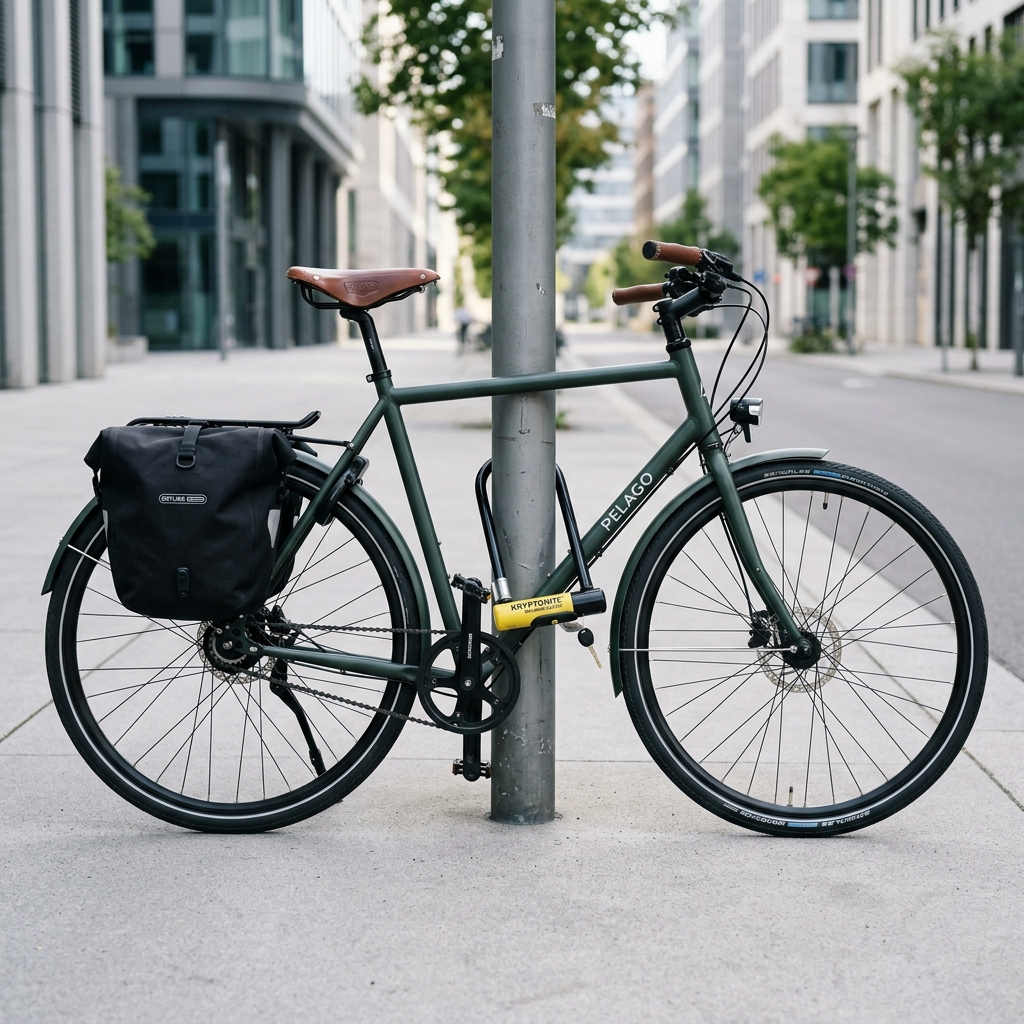
- Approved Lock Ratings: Most insurers mandate that the bike must be locked with a lock rated by an independent organization like Sold Secure. For cargo and commuter bikes, you are usually required to use a Sold Secure Gold or Diamond rated U-lock, folding lock, or heavy chain. Famous examples include the Kryptonite New York Fahgettaboudit, Hiplok D1000, or Litelok X3, which offer specific resistance against angle grinders.
- Locking to an Immovable Object: The bike must be locked through the frame to a secure, permanent fixture (like a concrete-anchored bike rack or light pole). Locking a wheel only, or locking to a wooden fence that can easily be cut, will void your theft coverage.
- Evidence of Lock Breakage: In the event of a theft, you will need to provide evidence that the lock was defeated, which may include taking photos of the cut lock or recovering the broken fragments.
- Approved Storage Locations: Some policies mandate that if the bike is stored at home, it must be inside a locked garage or private building. If stored in a shared garage or carport, it must still be locked to an anchor point.
"Always document your locking setup. Take a quick photo of your bike locked up in public, especially if you park in high-theft areas. Having a photo showing the U-lock properly secured through the frame to an approved rack can expedite claim approvals."
4. GPS Trackers and Smart Lock Integration
To reduce risk, many cargo bike owners install GPS trackers (such as Apple AirTags or integrated cellular trackers like the Bosch Smart System ConnectModule). Some specialty insurers offer discount incentives on your monthly premium if your bike has an active tracker. However, be aware that a GPS tracker is not a substitute for a physical lock; it only aids in recovery, and insurers still require Sold Secure locks to approve claims. Additionally, if the GPS tracker shows the bike inside a private residence, do not attempt to recover it yourself; provide the telemetry data directly to the police to prevent dangerous encounters and ensure the recovery is logged legally.
5. Accessory and Battery Add-on Coverages
A cargo bike is rarely just a bike. It usually includes expensive accessories, such as child seats, passenger bars, custom panniers, GPS trackers, and secondary batteries. When setting up your bicycle insurance policy, make sure to add these items to the replacement value calculations. Standard policies only cover the base bicycle model unless you purchase an accessory rider.
Make sure to record the battery's specific serial number and log it with your insurer. Since e-bike batteries cost between $500 and $1,000 to replace, they are often stolen independently. Having them explicitly documented ensures you can file a component-only claim without issues.
6. Commercial Use & Delivery Extensions
If you use your cargo bike for commercial purposes—such as food delivery, cargo courier services, or business advertising—your personal bicycle insurance policy will not cover you. Commuters using their bikes for gig economy work must obtain a commercial use endorsement to protect against theft, frame damage, and general liability claims during work hours. Insurers regularly audit claims by checking Strava logs, delivery app records, or cell phone records to verify the bike was not in use for business at the time of the incident.
Frequently Asked Questions
Does insurance cover a stolen battery?
Yes, most specialty bicycle policies cover individual components, including the electric battery and digital displays, if they are stolen or damaged. However, the battery must have been locked or secured according to the manufacturer's specifications.
What is the deductible for cargo bike claims?
Deductibles for specialty bike policies are typically much lower than renters or homeowners policies, usually ranging between $50 and $250 depending on the total replacement value of the cargo bike.