⚡ E-Bikes: Regulation & Policy Options
- Class 1: Pedal-assist only, max speed 20 mph
- Class 2: Throttle-assist, max speed 20 mph
- Class 3: Pedal-assist only, max speed 28 mph, speedometer required
- Insurance: Standard auto and home insurance policies generally exclude e-bikes.
Electric bicycles (e-bikes) have surged in popularity, transforming urban commutes and recreational cycling. However, their electric motors raise unique regulatory questions: are they bicycles, mopeds, or motorcycles? To clear up the confusion, the majority of US states and federal agencies have adopted a standardized classification system. Understanding these classes determines where you can legally ride your e-bike, who can ride them, and your liability insurance needs.
1. The Three-Class System
The standard model classification separates e-bikes based on their motor assistance type and maximum speed:
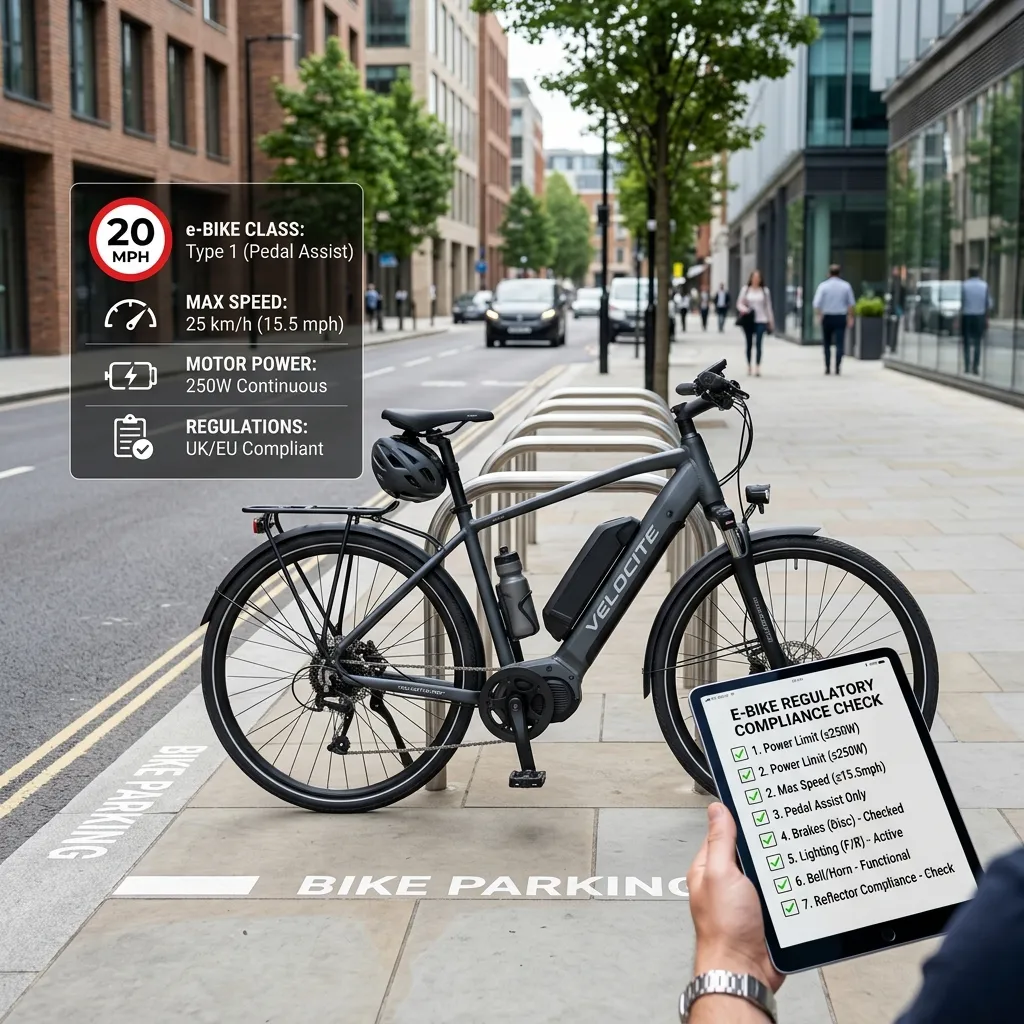
- Class 1 E-Bike: Equipped with a motor that assists only when the rider is pedaling, and ceases to assist when the bicycle reaches 20 mph. These are allowed on most multi-use paved paths and singletrack trails.
- Class 2 E-Bike: Equipped with a throttle-actuated motor that can propel the bicycle without pedaling, but ceases to assist when the bicycle reaches 20 mph. They share similar access rules to Class 1, though some local parks restrict them.
- Class 3 E-Bike: Equipped with a motor that assists only when the rider is pedaling, and ceases to assist when the bicycle reaches 28 mph. It must also have a speedometer. Class 3 e-bikes are generally restricted to roadways and street-adjacent bike lanes due to their higher speeds.
This classification system is recognized by both the Consumer Product Safety Commission (CPSC) and the National Highway Traffic Safety Administration (NHTSA) to separate low-speed electric bicycles from mopeds and motor vehicles. However, if your e-bike motor exceeds 750 Watts (1 horsepower), it legally falls out of the three-class system and is classified as a motor vehicle, which requires registration and licensing.
2. Federal CPSC vs. NHTSA Jurisdictions
The distinction between e-bikes and motorcycles has major legal implications. Under federal law (Public Law 107-319), a "low-speed electric bicycle" is regulated by the CPSC rather than the NHTSA for safety standards, provided it has fully operable pedals, an electric motor of less than 750 watts, and a maximum speed of less than 20 mph under motor power alone. This federal ruling prevents e-bikes from being regulated as motor vehicles under equipment standards (like turn signals or windshields), allowing them to enjoy the same freedom as traditional bicycles. However, once a manufacturer sells a bike that exceeds these limits, it falls under NHTSA authority, meaning you cannot legally operate it on public streets without vehicle registration, licensing, and insurance.
3. Lithium-Ion Battery Safety & Fire Exclusions
With the rise of e-bikes, fire hazards associated with low-quality lithium-ion batteries have become a significant concern. In response, many major cities (such as New York) have banned the sale of e-bikes that do not carry **UL 2849 certification** (an independent electrical safety standard). Importantly, insurance companies are beginning to introduce exclusions in homeowners and renters policies. If your e-bike catches fire while charging and damages your property, your insurer may deny the claim if the battery was not UL-certified or if you used an unapproved third-party charger. Always purchase certified batteries and chargers to ensure your property insurance remains intact.
4. Insurance Coverage for E-Bikes: A Critical Gap
Many e-bike owners assume that if they are involved in an accident or if their e-bike is stolen, their homeowners or renters insurance will cover them. In reality, **most standard homeowners/renters policies exclude motorized land vehicles**, including e-bikes. Similarly, standard auto insurance policies will not cover e-bikes because they are not registered cars or motorcycles.
To protect your investment and secure liability protection, you should purchase a dedicated **e-bike insurance policy**. E-bike policies offer coverage for theft, physical damage, and liability limits (which pay for injuries or property damage you cause to others while riding).
Be aware that modifying your e-bike to exceed speed limits (often referred to as "chipping" or "speed tuning" to bypass the 28 mph threshold) immediately reclassifies your e-bike as a moped or motorcycle. If you are involved in a crash on a modified e-bike, your specialty insurance policy will be immediately voided, exposing you to full civil liability and potential criminal charges for operating an unregistered motor vehicle.
"If you use your e-bike for daily commuting, having liability coverage is vital. A collision with a pedestrian can result in severe injuries and significant out-of-pocket legal expenses without a dedicated policy."
Frequently Asked Questions
Do I need a driver's license or license plates?
No. In the vast majority of states, e-bikes that fit into the three-class system do not require registration, a driver's license, or license plates. If the motor exceeds 750W or the e-bike goes faster than 28 mph, it may be classified as a moped or motorcycle, requiring licensing.
Are there age limits or helmet requirements?
Yes. Many states prohibit anyone under 16 from operating Class 3 e-bikes. Additionally, while adult helmet laws for traditional bicycles are rare in the US, many states mandate helmets for all riders of Class 3 e-bikes regardless of age.