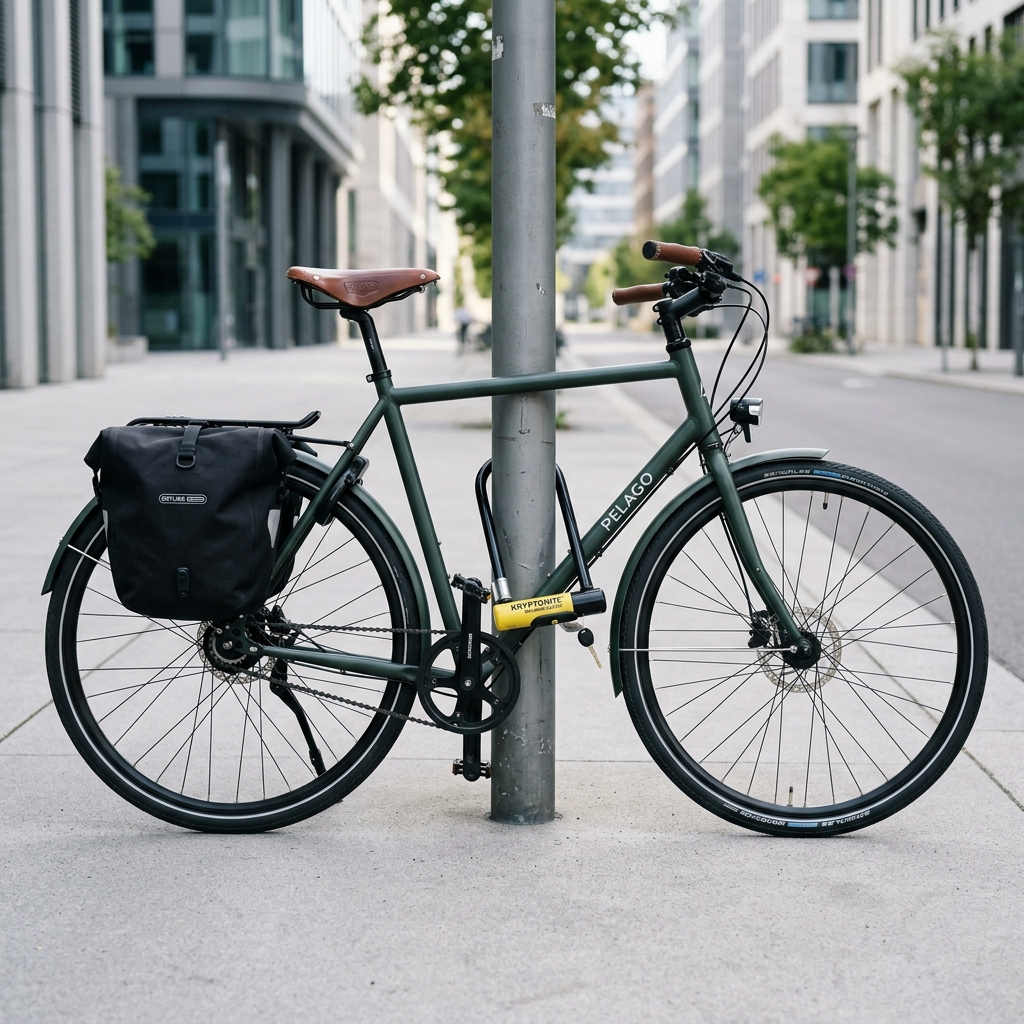
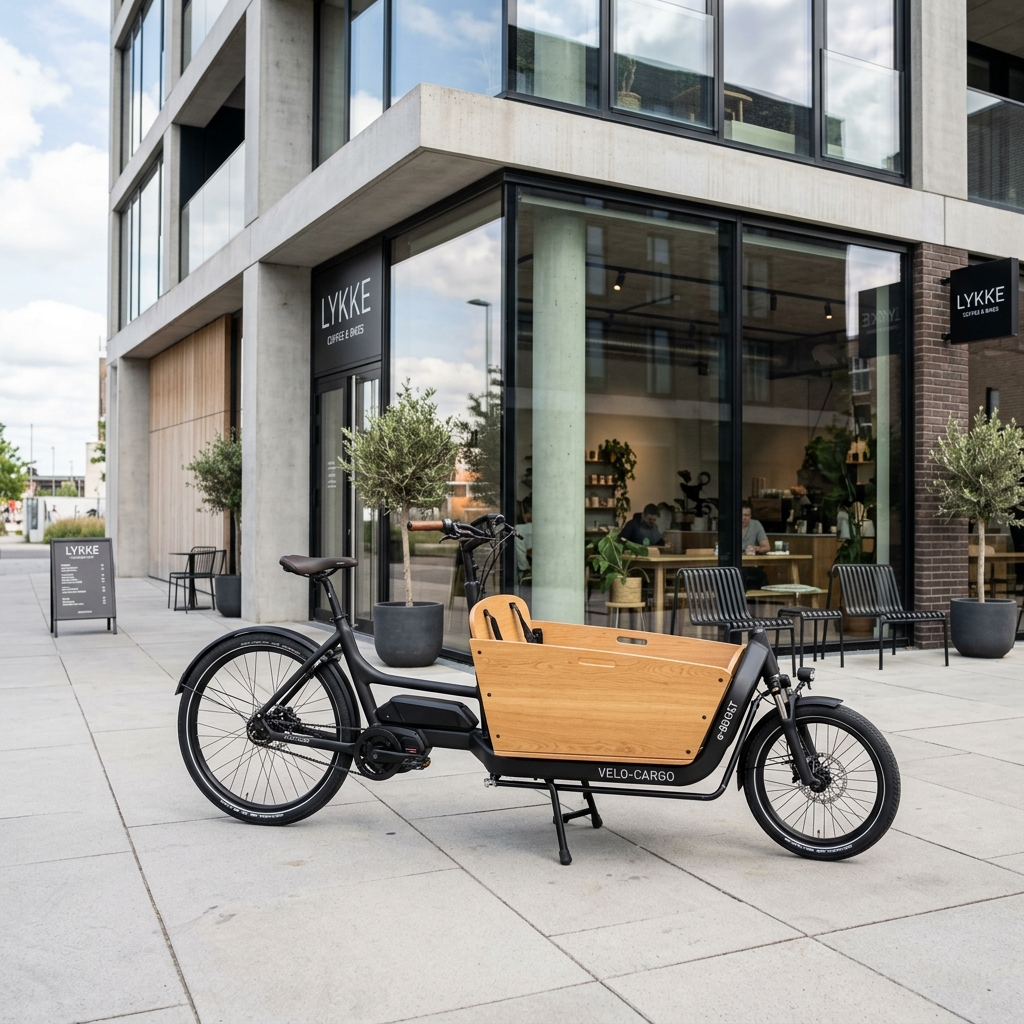
Commuter cycling looks simple: bike, route, lock, repeat. Insurance risk is less simple. A $700 city bike locked outside an office faces a different loss pattern than a $4,000 Class 1 e-bike stored in an apartment garage. Theft, crash damage, battery issues, vandalism, transit damage, and liability can overlap. The right bicycle insurance approach starts with how, where, and why you ride.
For many US riders, the biggest mistake is assuming one policy handles every bike-related loss. Homeowners or renters insurance may cover some theft, but deductibles, limits, exclusions, and off-premises rules can reduce payout. Auto insurance may not help if no car is involved. Health insurance may address medical bills, but not bike replacement. Dedicated bicycle insurance or e-bike insurance may fill gaps, depending on policy terms.
This guide focuses on practical commuter risk: theft coverage, e-bike concerns, storage choices, documentation, and questions to ask before buying coverage. It is general information only. Policy language controls. Rules vary by insurer and state.
Why commuter bikes face a different insurance profile
A bike used once a month for recreation has limited exposure. A commuter bike faces daily exposure: street racks, office storage rooms, public transit, rain, traffic, construction zones, delivery vehicles, and distracted drivers. More trips mean more chances for damage, theft, or liability claims.
Commuters also operate on a schedule. That creates risk. Running late may lead to weaker locking habits, riskier intersections, or leaving the bike in a less secure place. A regular route can also create predictability. If a thief sees the same high-value e-bike locked outside the same building every weekday, theft risk rises.
E-bike commuters add value concentration. The motor, controller, display, and battery can turn a normal theft claim into a high-dollar loss. Some thieves target the whole bike. Others strip parts. A partial loss can still be expensive.
Theft coverage: what riders should examine first
Theft is often the headline risk for bicycle insurance. Before assuming coverage exists, check how the policy defines theft. Some policies may require forced entry if the bike is stolen from a locked building. Others may require a specific lock type for outdoor theft. Some may cover disappearance only if there is clear evidence of theft, such as a cut lock or police report.
Key theft terms matter. Replacement cost may pay closer to the cost of a similar new bike, subject to limits. Actual cash value may subtract depreciation. Scheduled coverage may list the bike separately with a declared value. Unscheduled personal property may be capped, especially for sporting equipment, e-bikes, or off-premises losses.
Deductible math matters too. If your renters policy has a $1,000 deductible and your commuter bike is worth $1,200, the practical benefit may be small. Dedicated bicycle insurance may offer a different deductible structure, but premiums must be weighed against risk.
Common theft scenarios
Street rack theft: frequent claim scenario. Lock requirements, time limits, location exclusions may apply.
Apartment garage theft: common for bikes. Shared garages are often targeted because thieves can access many bikes at once.
Workplace bike room theft: coverage may depend on whether the room was locked, access-controlled, or considered a secure location.
Car rack theft: may fall between auto, homeowners, renters, and bike policies. Confirm before travel.
Component theft: wheels, saddle, battery, display, lights. Some policies cover parts; others limit accessories.
E-bike insurance issues standard bike riders may not face
E-bikes are not just more expensive bicycles. They have electrical systems, higher speeds, heavier frames, and battery-specific risks. Some homeowners or renters policies may limit or exclude motorized vehicles. Whether an e-bike counts as a bicycle or motorized vehicle may depend on policy wording, state classification, and e-bike class.
In many US states, e-bikes are grouped into Class 1, Class 2, and Class 3 categories. Insurance policies may not mirror those categories perfectly. A policy might cover pedal-assist bikes under a certain speed or wattage, while excluding throttle-powered or modified bikes. If your bike is derestricted, converted, or used for delivery work, coverage questions become more important.
Battery coverage deserves special attention. Replacement batteries can cost hundreds of dollars. Theft of a removable battery may be treated differently from theft of the entire bike. Damage from charging, water intrusion, or collision may be limited. Insurers may also care about manufacturer-approved batteries and chargers.
E-bike questions to ask
Is my exact e-bike class eligible?
Are throttle-equipped bikes covered?
Are modified or converted e-bikes excluded?
Is the battery covered for theft, crash damage, fire, or water damage?
Are accessories such as racks, child seats, baskets, GPS units, and lights covered?
Is commuting covered? Is business delivery excluded?
Are there storage or lock requirements?
Commuter cycling risk beyond theft
Theft is only one loss type. Commuters face crash damage, potholes, dooring, weather damage, vandalism, and liability concerns. A low-speed fall can bend a derailleur, crack a carbon fork, destroy a display, or damage a wheel. E-bikes are heavier, so impact damage can be more costly.
Liability is another issue. If a cyclist hits a pedestrian, clips another rider, damages a parked car, or causes a chain-reaction incident, a claim may follow. Some homeowners or renters policies include personal liability coverage, but exclusions can apply. Dedicated bike policies may offer liability options, depending on insurer and state.
Medical payments, uninsured motorist coverage, and personal injury protection vary widely by policy type and state. Do not assume a bicycle policy replaces health insurance or auto insurance benefits. Ask direct questions. Request written policy language when possible.
Homeowners, renters, dedicated bike policy: how they differ
Homeowners and renters insurance can be useful. They may cover personal property theft, including bicycles, subject to deductible, limits, and exclusions. They may also include personal liability. However, these policies are not designed specifically for high-value commuter bikes or e-bikes.
A dedicated bicycle insurance policy may offer broader bike-specific features: crash damage, theft away from home, spare parts, accessories, event coverage, roadside assistance, rental reimbursement, or liability add-ons. Not every policy includes these. Compare forms, not slogans.
For a modest used commuter bike, renters insurance plus strong prevention may be enough. For a high-value e-bike used daily, a dedicated policy may be more attractive. The decision depends on bike value, deductible, storage, local theft rates, commute frequency, and risk tolerance.
Quick comparison points
Deductible: high deductible → low practical theft payout.
Valuation: replacement cost vs actual cash value → major payout difference.
Off-premises coverage: essential for commuters.
E-bike eligibility: confirm class, wattage, speed, throttle status.
Accessories: commuter add-ons can be costly.
Use: personal commuting may be covered; courier work may be excluded.
Lock rules: noncompliance → denied claim risk.
Locking strategy can affect both theft risk and claims
A good lock does two jobs. It deters theft and supports an insurance claim. Many theft claims become harder when the rider cannot show that the bike was locked properly. Insurers may ask what lock was used, where it was attached, whether the frame was secured, and whether evidence remains.
Use a high-quality U-lock or heavy chain for the frame. Add a second lock for wheels if you park outside. Lock to a fixed object. Avoid signposts that can be lifted, weak railings, small trees, and removable racks. For e-bikes, remove the battery and display when practical. Do not rely only on a cafe lock or wheel lock unless the policy accepts it and the risk is low.
Overnight outdoor parking is high risk. Apartment garages are not automatically safe. If possible, bring the bike into your unit or a private locked space. If using a shared room, lock the bike inside the room as if it were outside.
Documentation: the claim file you build before loss
Insurance works better when proof is ready. Create a simple bike file. Store photos, receipt, serial number, component list, accessory receipts, and policy documents. Photograph the bike from both sides, plus the serial number, battery, display, lock, and any upgrades.
Register the bike with a recognized bike registry if available in your area. Keep maintenance records for expensive bikes. For e-bikes, save battery and charger purchase information. If you buy used, get a bill of sale with seller information, date, price, and serial number.
If theft occurs, act quickly. File a police report if required by the policy. Notify the insurer promptly. Provide serial number, photos, receipt, location, time window, lock evidence, and any video availability. Ask nearby buildings about cameras quickly because footage may be overwritten.
Route risk: insurance is not a substitute for safer commuting
Coverage helps after a loss. Route planning reduces the chance of loss. A slightly longer route with protected lanes, calmer streets, better lighting, and secure parking may reduce crash and theft exposure. Avoid locking in isolated areas with low foot traffic but easy vehicle access. Thieves often prefer places where they can work unseen and leave quickly.
Weather also changes risk. Rain reduces braking performance and visibility. Snow, ice, wet leaves, and metal plates increase fall risk. E-bike speed can magnify those hazards. If your commute includes bridges, industrial roads, or high-speed arterials, evaluate whether your coverage includes crash damage and whether your safety setup is adequate.
When commuter use becomes business use
Riding to work is usually different from riding for work. If you use the bike for food delivery, package delivery, courier service, or paid errands, personal coverage may not apply. Some policies exclude commercial use entirely. Others may offer endorsements or separate coverage.
This distinction matters for theft, liability, and crash damage. A claim during app-based delivery may be treated differently from a claim during a normal commute. If you earn money using the bike, disclose that before buying coverage. A cheaper policy that excludes your real use is not a bargain.
How much coverage may make sense?
Start with replacement exposure. Add the bike, battery, accessories, lock, lights, rack, bags, child seat, computer, and upgrades. Then subtract what you could comfortably pay out of pocket. Consider how quickly you would need a replacement. A daily commuter may need fast replacement more than a weekend rider.
Next, compare premiums, deductibles, exclusions, and claim limits. A policy with a low premium but broad exclusions may offer little help. A higher premium may be reasonable if it covers theft away from home, crash damage, e-bike parts, and accessories with a deductible you can manage.
Do not ignore liability limits. If you ride in crowded bike lanes, near pedestrians, or through dense downtown areas, liability protection may be worth reviewing. Ask whether the coverage follows you on borrowed bikes, bike-share bikes, or rental bikes if those uses matter.
Red flags in bicycle insurance fine print
Motorized vehicle exclusion that may include e-bikes.
Low sublimit for bicycles or sporting equipment.
High deductible compared with bike value.
No off-premises theft coverage.
Outdoor locking requirements that are hard to meet.
Accessory coverage excluded or capped.
Commercial use exclusion.
Modified e-bike exclusion.
Actual cash value payout on a rapidly depreciating bike.
No coverage for spare battery or removable display.
Practical commuter coverage checklist
Confirm bike type, e-bike class, value, serial number.
List all accessories and upgrades.
Check homeowners or renters bicycle limits.
Compare dedicated bicycle insurance options.
Verify theft away from home.
Verify lock requirements.
Ask about battery and component theft.
Review liability coverage.
Confirm commuting vs business use.
Store proof before a loss occurs.
Bottom line
Bicycle insurance for commuters is not one-size-fits-all. Theft coverage may be essential in one city and less important in another. E-bike insurance may be critical when battery, motor, and electronics raise replacement cost. Renters or homeowners insurance may help, but dedicated coverage may fit better for daily riders with expensive equipment.
The best approach is practical: measure the real risk you ride. Where do you park? How often do you commute? What would replacement cost? Does your policy actually cover an e-bike? Are accessories included? Are lock rules realistic? Clear answers now can prevent expensive surprises after theft or damage.